
Introduction
Smart robots technology trends making life easier are rapidly changing how humans live, work, and interact with machines. From automated home assistants to advanced industrial robots, this transformation is no longer a future concept but a present reality. These intelligent systems are designed to reduce human effort, improve accuracy, and increase productivity in multiple sectors. In daily life, robots are now assisting in cleaning homes, delivering goods, supporting healthcare professionals, and even helping in education. The integration of artificial intelligence has made these machines more adaptive, responsive, and efficient than ever before. As a result, businesses and individuals are experiencing improved convenience and time savings. Smart robots technology trends making life easier are also driving innovation in industries such as manufacturing, logistics, agriculture, and security. These advancements are not only improving efficiency but also creating safer working environments. As we continue to embrace automation, the role of robotics will become even more important in shaping the future of society and economy. Understanding these trends is essential for anyone who wants to stay updated with modern technological progress and its real-world applications.
What is Smart Robots Technology Trends Making Life Easier?
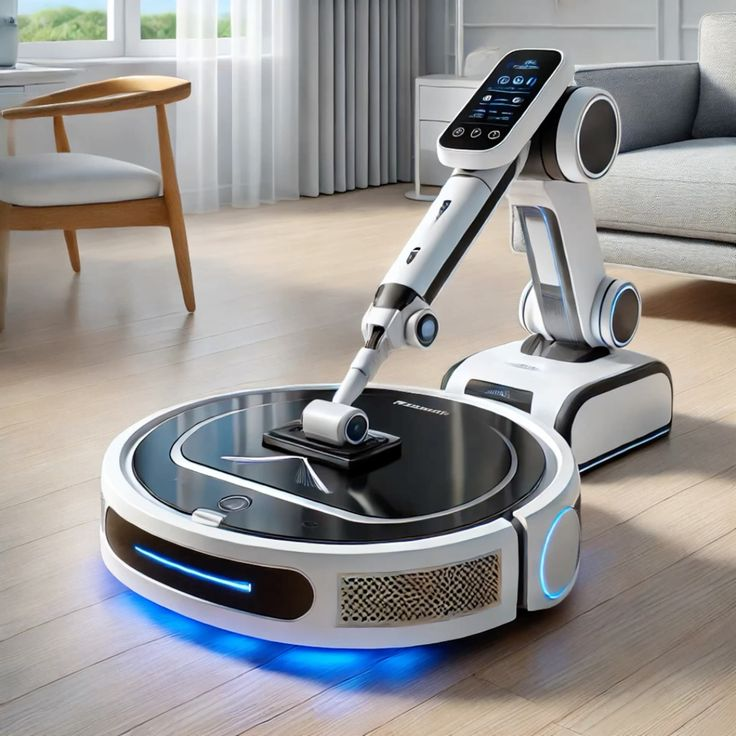
Smart robots technology trends making life easier refer to the continuous development and integration of intelligent robotic systems designed to perform tasks with minimal human intervention. These robots are powered by artificial intelligence, machine learning, sensors, and advanced programming that allow them to learn, adapt, and make decisions. Unlike traditional machines, smart robots can analyze their environment and respond accordingly, making them highly efficient in dynamic situations. They are used in various fields such as healthcare, education, manufacturing, agriculture, and home automation. For example, robotic vacuum cleaners can map rooms and clean efficiently without supervision. In hospitals, robotic systems assist surgeons in performing precise operations. In industries, robots handle repetitive tasks, reducing human workload and errors. Smart robots technology trends making life easier also include innovations like autonomous vehicles, delivery drones, and AI-powered assistants. These technologies aim to improve productivity while reducing costs and human effort. The continuous evolution of robotics is shaping a future where machines and humans work together seamlessly to achieve better results.
Why is Smart Robots Technology Trends Making Life Easier Important?
Smart robots technology trends making life easier are important because they address some of the biggest challenges faced by modern society, including labor shortages, efficiency demands, and safety concerns. As industries grow, the need for faster and more accurate work increases, and robots fulfill this demand effectively. They help reduce human error, especially in critical areas like healthcare and manufacturing. In addition, robots can work continuously without fatigue, increasing productivity significantly. Another key importance lies in safety, as robots can perform dangerous tasks such as handling chemicals, mining, or disaster recovery. This reduces risks for human workers. Furthermore, smart robots technology trends making life easier contribute to cost reduction in the long term by automating repetitive processes. They also improve quality of life by assisting in daily household tasks and providing support for elderly or disabled individuals. As technology advances, these systems are becoming more affordable and accessible, making their importance even greater in both personal and professional environments.
Detailed Step-by-Step Guide
Step 1: Understanding Robotics Basics
To understand smart robots technology trends making life easier, it is important to first learn the basics of robotics, including sensors, actuators, and control systems. These components allow robots to perceive and interact with their surroundings.
Step 2: Learning AI Integration
Artificial intelligence is the brain behind modern robots. It enables machines to learn from data, improve performance, and make decisions without human input.
Step 3: Exploring Real-World Applications
Study how robots are used in industries like healthcare, logistics, agriculture, and home automation. This helps in understanding practical benefits.
Step 4: Identifying Automation Opportunities
Businesses and individuals should identify tasks that can be automated to save time and improve efficiency using robotics solutions.
Step 5: Implementing Robotic Systems
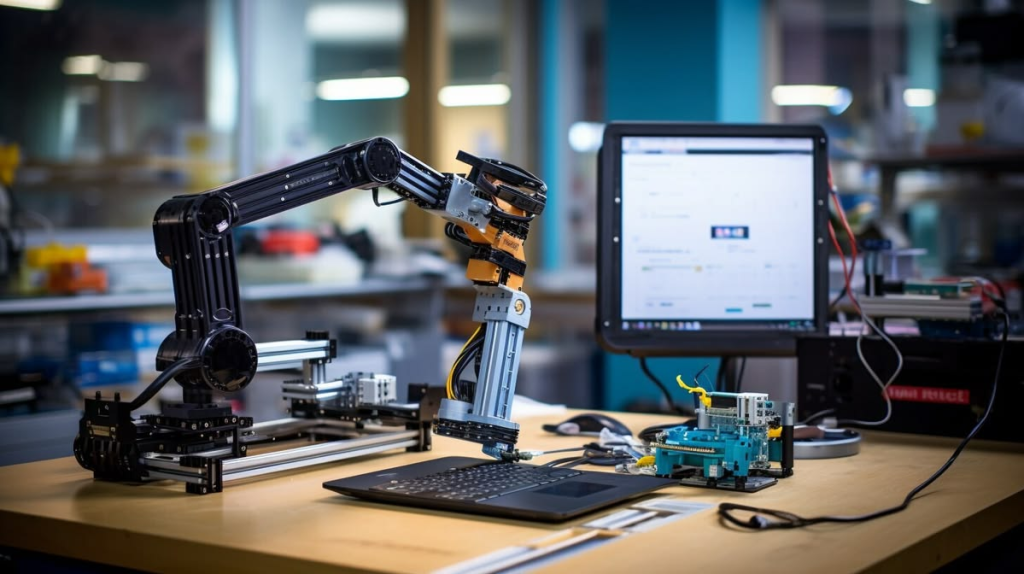
Once opportunities are identified, the next step is implementing robotic systems tailored to specific needs, ensuring proper integration with existing workflows.
Step 6: Continuous Monitoring and Upgrading
Technology evolves rapidly, so continuous monitoring and upgrading of robotic systems is essential to maintain efficiency and performance.
Benefits of Smart Robots Technology Trends Making Life Easier
- Increases productivity by performing repetitive tasks efficiently
- Reduces human errors in critical operations
- Enhances safety in dangerous work environments
- Saves time in daily household and industrial tasks
- Improves healthcare services with precision tools
- Supports elderly and disabled individuals in daily life
- Reduces operational costs for businesses
- Enables 24/7 continuous working without fatigue
Disadvantages / Risks
- High initial investment cost for implementation
- Dependency on technology may reduce human skill development
- Risk of job displacement in certain industries
- Technical failures can cause operational disruptions
- Security concerns related to data and hacking risks
- Requires regular maintenance and updates
- Limited decision-making in unpredictable situations
Common Mistakes to Avoid
One common mistake is assuming that robots can completely replace humans in all tasks. In reality, robots are designed to assist, not fully replace human intelligence. Another mistake is ignoring maintenance, which can lead to system failure. Many businesses also fail by not properly training employees to work alongside robots. Overestimating cost savings without considering long-term investment is another issue. Additionally, neglecting data security when using smart systems can create serious risks. Avoiding these mistakes ensures better utilization of smart robots technology trends making life easier and improves overall performance.
FAQs
1. What are smart robots used for?
Smart robots are used in industries, healthcare, homes, and agriculture to automate tasks, improve efficiency, and reduce human effort.
2. How do smart robots work?
They work using artificial intelligence, sensors, and programming that allow them to perceive their environment and make decisions accordingly.
3. Are smart robots expensive?
Initially, yes, but over time they reduce operational costs and provide long-term savings for businesses and individuals.
4. Can robots replace humans completely?
No, robots are designed to assist humans, not replace them entirely. Human judgment is still essential in many areas.
5. Where are smart robots most commonly used?
They are widely used in manufacturing, healthcare, logistics, agriculture, and home automation systems.
6. What is the future of robotics?
The future includes more advanced AI-driven robots capable of handling complex tasks, improving daily life and industrial productivity.
Expert Tips & Bonus Points
Experts suggest starting small when adopting robotics, such as using simple automation tools before moving to advanced systems. Businesses should focus on training employees to work alongside robots effectively. It is also important to choose scalable robotic solutions that can grow with business needs. Regular system updates and cybersecurity measures should not be ignored. Additionally, combining human creativity with robotic efficiency produces the best results. Smart robots technology trends making life easier should be seen as a partnership between humans and machines rather than a replacement strategy. Investing in research and staying updated with new advancements will also provide long-term advantages.
Conclusion
Smart robots technology trends making life easier are transforming the modern world in remarkable ways. From simple household automation to complex industrial operations, robotics has become an essential part of daily life. These intelligent systems are not only improving efficiency but also enhancing safety, accuracy, and productivity across multiple sectors. As technology continues to evolve, the role of robots will become even more significant in shaping the future of work and lifestyle. Businesses that adopt these innovations early are likely to gain a competitive advantage, while individuals benefit from improved convenience and reduced workload. Despite some challenges such as cost and dependency, the overall impact of robotics remains highly positive. Smart robots technology trends making life easier will continue to grow, offering smarter solutions and reshaping how society functions. Understanding and adapting to these changes is essential for staying relevant in an increasingly automated world where humans and machines work together to achieve better outcomes.