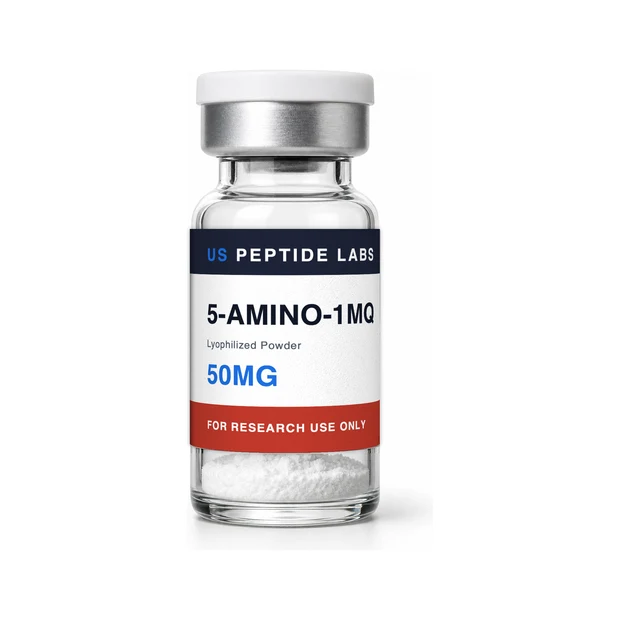

Performance peptides have become an important subject in modern biochemical and molecular research. Scientists study different peptide compounds to understand their molecular structures, biological interactions, metabolic pathways, and potential roles in specific physiological processes. As interest in peptide science continues to grow, understanding the research behind these compounds is essential for laboratories seeking reliable scientific information.
Researchers exploring this field can Buy performance peptides from specialized research catalogs that provide information about individual compounds, laboratory specifications, and analytical documentation. However, understanding their scientific classification, research applications, and quality standards is equally important before selecting materials for laboratory investigations.
This guide explains what performance peptides are, which compounds are commonly studied, how researchers evaluate their quality, and why reliable laboratory documentation matters.
What Are Performance Peptides?
Performance peptides are compounds studied in scientific research involving biological signaling, metabolic activity, cellular communication, and growth-related pathways. Peptides consist of amino acids connected through peptide bonds, forming structures that can interact with different biological systems.
Their molecular characteristics depend on amino acid sequences, chain length, and structural modifications. These properties influence how individual compounds behave under specific laboratory conditions.
Understanding Peptide Structure and Function
Peptides are smaller than most proteins and can perform different biological signaling functions depending on their molecular composition. Their structures determine how they interact with receptors, enzymes, and other molecular components.
In laboratory research, scientists examine these interactions to understand biological mechanisms. Research may involve molecular characterization, receptor-binding studies, biochemical analysis, and controlled experimental models.
It is important to distinguish scientific investigation from established medical applications. A compound being investigated in research does not automatically mean that its effects, safety, or effectiveness have been established for people.
Which Performance Peptides Are Commonly Studied?
Different peptide compounds attract scientific interest because they interact with different molecular pathways. Their research applications vary according to their structures, mechanisms, and experimental objectives.
The Performance & Vitality category at US Peptide Labs includes several compounds associated with growth hormone signaling, metabolic research, and other biological processes.
Tesamorelin and Growth Hormone Signaling Research
Tesamorelin is a synthetic peptide that acts as a growth hormone-releasing hormone (GHRH) analog. Researchers study its relationship with growth hormone signaling and the regulation of associated biological pathways.
The scientific interest surrounding this compound involves understanding how GHRH-related signaling interacts with the pituitary system and influences growth hormone secretion.
The Tesamorelin peptide is listed within the US Peptide Labs Performance & Vitality research collection. Its molecular properties and documented research background make it relevant to investigations involving growth hormone-related mechanisms.
Importantly, FDA-approved tesamorelin formulations have a specific medical indication for reducing excess abdominal fat in adults with HIV-associated lipodystrophy. They are not approved as general weight-loss treatments or general performance-enhancement products.
MOTS-c and Mitochondrial Research
MOTS-c is a mitochondrial-derived peptide that has attracted scientific interest because of its relationship with cellular metabolism and mitochondrial signaling.
Mitochondria play an essential role in cellular energy production. Researchers investigate how mitochondrial-derived signaling molecules interact with metabolic pathways and influence cellular responses.
MOTS-c research focuses on understanding molecular communication between mitochondria and other cellular components. These investigations contribute to broader scientific knowledge about energy regulation and metabolic biology.
IGF-1 LR3 and Growth-Related Molecular Research
IGF-1 LR3 is a modified form of insulin-like growth factor 1 that is studied in relation to growth factor signaling and cellular processes.
Its molecular structure differs from naturally occurring IGF-1, making it relevant to investigations involving receptor interactions, biological activity, and signaling mechanisms.
Research involving IGF-related compounds requires careful experimental controls because growth factor pathways are involved in several interconnected biological processes.
CJC-1295 and Ipamorelin Research
CJC-1295 and Ipamorelin are separate compounds investigated in relation to growth hormone signaling.
CJC-1295 is a synthetic GHRH analog, while Ipamorelin belongs to a group of compounds studied for their interaction with ghrelin-related receptors.
Laboratory investigations may examine their individual molecular properties and signaling characteristics. Studying these compounds separately helps researchers understand how different receptor pathways contribute to biological responses.
How Do Researchers Evaluate Performance Peptide Quality?
Reliable research depends on the quality, identity, and consistency of the materials being investigated. Even small variations in a compound’s composition can affect experimental observations and make results difficult to interpret.
For this reason, laboratory researchers should consider analytical documentation and batch traceability when evaluating research materials.
Certificate of Analysis and Laboratory Testing
A Certificate of Analysis (COA) provides analytical information about a specific product lot. It helps establish whether the tested material meets the reported specifications.
Important information commonly included in peptide laboratory documentation involves:
- Identity testing: Helps determine whether the analyzed material corresponds to the expected compound.
- Purity analysis: Provides information about the proportion of the target compound and detected impurities.
- Mass spectrometry: Helps evaluate molecular mass and support compound identification.
- High-performance liquid chromatography (HPLC): Provides analytical information about purity and sample composition.
- Lot identification: Connects analytical documentation with a particular production batch.
A COA should be reviewed carefully rather than treated as an automatic guarantee of safety, suitability, or research validity.
Why Batch Traceability Matters
Batch traceability allows laboratories to connect a research material with its corresponding analytical records. This is particularly important when comparing experimental findings across different batches.
US Peptide Labs highlights lot-specific documentation and independent laboratory testing as part of its quality information. Researchers can use the corresponding lot identification to locate available certificates and review reported analytical results.
However, documentation should always be assessed according to the testing methods, reporting details, and specifications provided.
What Factors Should Laboratories Consider When Selecting Research Peptides?
Selecting research materials involves more than comparing product names or advertised specifications. Laboratories need to consider whether the material is appropriate for their analytical objectives and whether sufficient information is available to evaluate its characteristics.
A systematic selection process can improve research documentation and reduce unnecessary uncertainty.
Molecular Information and Research Relevance
Start by reviewing the compound’s molecular identity, amino acid sequence, molecular weight, and relevant scientific literature.
These details help establish whether a material is relevant to a particular laboratory investigation. Researchers should also distinguish between published experimental findings and theoretical explanations.
Documentation and Supplier Transparency
Supplier transparency is another important consideration. Product descriptions should provide clear information about compound identity, available formats, batch identification, and analytical documentation.
Researchers should also review storage and handling information supplied for the specific material. Different compounds and formulations may have different stability requirements.
Regulatory and Research-Use Considerations
Research peptides should not automatically be considered approved medicines. Regulatory status varies by compound, formulation, intended application, and jurisdiction.
For example, FDA-approved tesamorelin formulations have a defined indication and prescribing requirements. Other research compounds may not have an approved human medical use.
US Peptide Labs identifies its catalog products as strictly intended for lawful laboratory and analytical research. They are not intended for human consumption, veterinary use, or medical applications.
Why Is Scientific Research on Performance Peptides Important?
Research involving peptides contributes to a broader understanding of molecular biology, cellular communication, and biochemical pathways.
Scientists investigate how different amino acid sequences interact with biological targets and how molecular modifications influence experimental behavior.
These investigations can help expand scientific knowledge about receptor activity, mitochondrial signaling, metabolic regulation, and growth-related pathways.
However, laboratory findings should be interpreted within the limitations of their experimental design. Results from cell-based studies or animal models cannot automatically establish effectiveness or safety in humans.
Reliable scientific conclusions require reproducible methods, appropriate controls, independent validation, and carefully documented findings.
Conclusion
Performance peptides represent a diverse area of biochemical research involving molecular signaling, metabolic pathways, mitochondrial activity, and growth-related mechanisms. Compounds such as Tesamorelin, MOTS-c, IGF-1 LR3, and CJC-1295 are studied for different scientific properties, making it important to understand their individual molecular characteristics.
For laboratories, selecting research materials requires careful attention to compound identity, analytical testing, batch traceability, and regulatory considerations. Reviewing scientific literature and lot-specific documentation can support more consistent and transparent research practices.
US Peptide Labs provides a Performance & Vitality research collection featuring multiple compounds alongside product and laboratory documentation. Researchers seeking additional information about available materials and documentation can contact us.
Frequently Asked Questions
1. What are performance peptides used for in scientific research?
Performance peptides are investigated in laboratory research involving biological signaling, metabolic pathways, mitochondrial activity, and growth-related mechanisms. Their research applications depend on the molecular characteristics of each compound.
2. Is Tesamorelin a performance-enhancing peptide?
Tesamorelin is a synthetic GHRH analog studied for its relationship with growth hormone signaling. An FDA-approved formulation has a specific medical indication for HIV-associated lipodystrophy. It is not approved as a general performance-enhancement or weight-loss treatment.
3. What is the difference between MOTS-c and Tesamorelin?
MOTS-c is a mitochondrial-derived peptide investigated in metabolic and cellular signaling research. Tesamorelin is a GHRH analog studied in relation to growth hormone regulation. They have different molecular structures and research focuses.
4. How can researchers evaluate the quality of research peptides?
Researchers can review the Certificate of Analysis, compound identity, purity results, mass spectrometry information, HPLC testing, and batch identification. Analytical documentation should correspond to the specific lot being evaluated.
5. Are research peptides approved for human consumption?
Research-use-only peptides are not approved for human consumption or medical treatment simply because they are available through a laboratory supplier. Their intended use, regulatory status, and applicable restrictions must be carefully understood. Products from US Peptide Labs are strictly intended for lawful laboratory and analytical research.