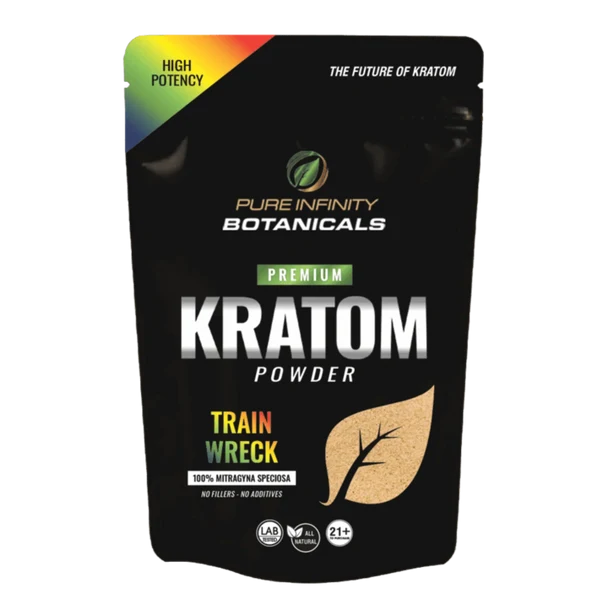

Kratom products are sold in different forms, including capsules, extracts, and bulk kratom powder, which is often discussed in connection with botanical product handling, labeling, and quality assessment. The plant, known botanically as Mitragyna speciosa, originates from Southeast Asia, where it has a long history of traditional use. Its leaves contain naturally occurring compounds that interact with the body’s systems, making product composition, testing, and safety information important subjects for consumers and researchers.
Kratom powder can vary in appearance, composition, and processing depending on how the leaves are harvested, dried, milled, and handled. Understanding these differences requires more than reading a product label. Consumers benefit from recognizing the limitations of product claims, the role of laboratory testing, and the health considerations associated with botanical products.
How Processing Can Affect Botanical Powder
The quality of botanical powders depends on several stages of production. Kratom leaves may undergo different drying and milling processes, which can affect the final product’s characteristics. Processing conditions, moisture exposure, equipment cleanliness, and storage practices all influence how a botanical material is handled.
Drying is particularly relevant because excess moisture can create conditions favorable to microbial growth. Milling introduces another consideration: equipment must be maintained and cleaned properly to limit contamination from other materials or environmental sources.
Processing and handling considerations include:
- Moisture control: Proper drying and storage conditions help reduce the risk of moisture-related deterioration.
- Equipment sanitation: Clean processing surfaces and machinery can reduce the possibility of contamination.
- Batch consistency: Production records can help identify variations between different batches.
- Packaging integrity: Protective packaging helps limit exposure to environmental conditions during storage and transportation.
These measures are relevant to botanical materials generally, although they cannot independently establish that a product is safe for consumption.
Laboratory Testing Provides Important Information
Visual inspection alone cannot determine the chemical composition or safety of a botanical powder. Laboratory testing offers more reliable information about specific characteristics, provided the testing methods are appropriate and the results are accurately reported.
Independent testing may examine several potential concerns, such as microbial contamination, heavy metals, pesticide residues, and the presence or concentration of particular compounds. However, a laboratory report does not automatically establish that a product is safe, effective, or suitable for every person.
Consumers reviewing laboratory documentation should pay attention to:
- Testing date: Results should correspond to the relevant batch and be reasonably current.
- Batch identification: The report should clearly identify the product lot being evaluated.
- Testing laboratory: The laboratory’s qualifications and testing methods matter.
- Scope of testing: A report covering one contaminant does not necessarily address every possible safety concern.
- Report authenticity: Documentation should be verifiable rather than presented as an unsupported marketing claim.
Third-party testing can improve transparency, but its limitations deserve equal attention.
Understanding Botanical Product Labels
Product labels often contain information about ingredients, net quantity, manufacturer details, storage recommendations, and other product-specific disclosures. Some labels also include descriptions of botanical origins or processing methods.
The accuracy and completeness of these details can vary. Consumers should avoid treating terms such as natural, pure, organic, or premium as proof of safety. Such descriptions do not necessarily indicate that a product has undergone comprehensive testing.
Companies operating in the botanical industry, including Pure Infinity Botanicals, are part of a broader marketplace where transparency, documentation, and responsible communication are relevant considerations. Readers should independently evaluate the information provided by any company instead of relying solely on promotional descriptions.
A well-presented label should not replace independent evidence, professional guidance, or awareness of applicable regulations.
Health Considerations That Deserve Attention
Kratom contains alkaloids, including mitragynine and 7-hydroxymitragynine, which have pharmacological activity. Research into their effects is ongoing, and their interaction with the body raises concerns that should not be overlooked.
Reported risks associated with kratom use include nausea, vomiting, constipation, dizziness, drowsiness, dependence, and withdrawal symptoms. More serious complications have also been reported, particularly in cases involving high consumption, other substances, or underlying health concerns.
Several considerations are relevant before exposure to kratom products:
- Medication interactions: Kratom may interact with medications and other substances, potentially affecting how they work.
- Dependence potential: Repeated use may lead to dependence and withdrawal symptoms.
- Individual differences: Responses may vary based on health conditions, individual sensitivity, and other factors.
- Product variability: Different products may contain varying concentrations of active compounds.
- Medical supervision: Healthcare professionals can help assess potential risks, especially for individuals taking medication or managing medical conditions.
Scientific uncertainty does not mean the absence of risk. Responsible discussions about botanical products should acknowledge both research limitations and documented adverse effects.
Storage and Handling of Botanical Materials
Storage conditions can affect the characteristics of powdered botanical materials over time. Exposure to humidity, heat, light, and air may contribute to deterioration or create conditions that affect product integrity.
Packaging, storage instructions, and expiration or best-before information can provide useful context. Consumers should also be alert to signs of compromised packaging, unusual odors, visible moisture, or other unexpected changes.
Basic handling awareness includes:
- Keeping materials away from excessive moisture and heat.
- Avoiding contact with contaminated surfaces.
- Following the manufacturer’s storage information.
- Keeping botanical products away from children and pets.
- Discarding materials when packaging integrity or product condition is questionable.
These practices are general precautions for botanical materials and are not a guarantee of safety.
Responsible Information Matters in the Botanical Industry
The botanical marketplace requires careful communication, particularly when products are associated with health, wellness, or traditional practices. Reliable information should distinguish established findings from preliminary research, anecdotal experiences, and unsupported claims.
Readers can benefit from examining laboratory documentation, reviewing ingredient information, considering potential health risks, and checking local regulations before making decisions involving botanical substances. Anyone seeking additional information about laboratory documentation, ingredient transparency, or general botanical product standards can Contact us to discuss informational resources and responsible product communication.
Clear labeling, independent verification, and realistic descriptions of scientific evidence help create a more informed conversation about botanical products. Understanding these factors allows readers to assess available information critically rather than relying on assumptions based on packaging, product descriptions, or online claims.