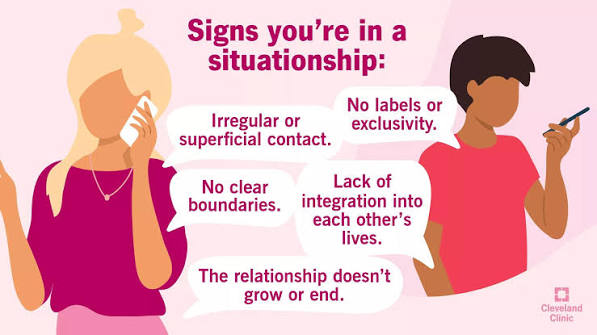

Modern dating has introduced relationship formats that do not always fit traditional categories. One example is the situationship, a connection involving romantic or emotional intimacy without an established relationship status. Two people may spend time together, communicate regularly, and behave like partners while avoiding conversations about commitment. This arrangement has attracted attention among younger adults, particularly as dating expectations and attitudes toward independence continue to change.
Uncertainty also influences decisions beyond romantic relationships, including how people approach digital entertainment. Someone exploring online gaming might click here to encounter a chance-based casino game involving financial risks. Unlike games governed by probability, relationships involve communication, personal expectations, and decisions made by both individuals. Understanding these factors helps explain why situationships develop and why some participants find them emotionally challenging.
What Exactly Is a Situationship?
A situationship is a romantic connection in which the participants have not clearly defined their relationship or its future.
The people involved may communicate daily, spend weekends together, and develop emotional or physical intimacy.
However, they might avoid discussing exclusivity, commitment, or long-term expectations.
The defining characteristic is not necessarily the absence of affection but the absence of an agreed relationship structure.
Some situationships involve mutual understanding, while others develop because one or both individuals hesitate to clarify their intentions.
How Situationships Differ From Casual Dating
Casual dating generally involves meeting people without an expectation of immediate commitment.
Participants may openly acknowledge that they are exploring connections or prefer nonexclusive relationships.
A situationship often contains greater ambiguity because behavior and expectations do not match an established agreement.
For example, two people may act like committed partners while describing themselves as simply spending time together.
The distinction depends on communication rather than the frequency of meetings.
A casual relationship with clear boundaries can involve less uncertainty than a situationship.
Why Younger Generations Avoid Relationship Labels
Some young adults prioritize education, career development, travel, and personal independence before pursuing long-term partnerships.
They may enjoy companionship without wanting responsibilities associated with commitment.
Others hesitate to define relationships because they fear rejection or losing an existing connection.
Social expectations also influence decisions. Some people associate relationship labels with obligations they are not prepared to accept.
However, avoiding labels does not always indicate emotional immaturity.
The important distinction is whether both participants understand and accept the arrangement.
The Influence of Dating Apps and Social Media
Digital dating platforms have expanded opportunities to meet potential partners.
Access to numerous profiles can create the impression that alternative connections are always available.
This may discourage some individuals from making decisions about exclusivity.
Social media also introduces competing ideas about independence, emotional availability, and relationship expectations.
However, technology alone cannot explain the prevalence of undefined relationships.
Personal circumstances, communication habits, and attitudes toward commitment remain important influences.
Why Situationships Can Feel Attractive
Situationships may offer companionship while allowing participants to maintain autonomy.
People can enjoy dates, conversations, and shared experiences without immediately making long-term plans.
This flexibility may appeal to individuals recovering from previous relationships or navigating periods of transition.
For some couples, undefined relationships serve as temporary stages before discussing commitment.
Problems arise when one person expects the connection to develop while the other prefers to maintain its existing structure.
The Emotional Challenges of Uncertainty
Ambiguity can create emotional stress when individuals struggle to understand their partner’s intentions.
One person may interpret regular communication as evidence of commitment, while the other sees it as casual interaction.
Without clarification, expectations can develop independently.
This may lead to disappointment, jealousy, or repeated attempts to interpret behavior.
Uncertainty becomes particularly difficult when participants avoid conversations because they fear losing the relationship.
Clear communication can reduce misunderstandings even when the outcome is not what either person initially hoped.
Signs You Might Be in a Situationship
Several patterns may indicate an undefined relationship.
You may spend substantial time together without discussing whether you are exclusive.
Future plans might remain limited to the next meeting, while conversations about commitment are consistently postponed.
Another sign involves uncertainty about how to introduce the person to friends or family.
However, these behaviors do not automatically establish that a relationship is unhealthy.
Their significance depends on whether both people feel comfortable with the arrangement.
Can a Situationship Become a Committed Relationship?
Some situationships eventually develop into partnerships when both individuals recognize compatible goals.
However, spending more time together does not guarantee that commitment will follow.
Progress depends on mutual intentions and willingness to discuss expectations.
One person cannot create a committed relationship through patience or effort alone.
If long-term partnership is important, discussing that preference provides more useful information than waiting indefinitely for circumstances to change.
How to Communicate Your Expectations
Begin by identifying what you want from the connection.
Consider whether you prefer exclusivity, occasional companionship, or a relationship with long-term potential.
Discuss these expectations without assuming the other person shares them.
Specific questions about commitment and future intentions can reduce ambiguity.
Listen to the response rather than focusing exclusively on reassuring behavior.
If expectations differ, both individuals can decide whether continuing the arrangement remains appropriate.
When Is It Better to Leave?
Ending a situationship may be appropriate when uncertainty consistently causes distress or personal boundaries are ignored.
Repeated promises without meaningful changes can indicate incompatible intentions.
Remaining involved solely because the connection might eventually become serious can prolong disappointment.
Leaving does not require proving that the other person behaved incorrectly.
Different relationship goals can provide sufficient reason to separate.
Understanding Modern Relationship Choices
Situationships reflect changing attitudes toward dating, autonomy, and commitment, but undefined relationships are not entirely new.
What has changed is the vocabulary people use to describe these experiences.
Some individuals find flexibility valuable, while others need clear expectations to feel secure.
Neither preference is inherently superior.
The central issue is whether both participants understand the relationship and can communicate their needs.
Ultimately, relationship quality depends less on the label itself than on mutual respect, emotional honesty, and agreement about what the connection means.