
Introduction
Smart home technology is no longer a luxury reserved for tech enthusiasts. Today, it has become an accessible and practical solution for homeowners and renters who want convenience, security, and energy efficiency. From smart lights to voice-controlled assistants, these devices are transforming how people interact with their living spaces. However, with so many options available, choosing the right products can feel overwhelming for beginners and even intermediate users.
Understanding smart home devices buying tips is essential before making any purchase. Without proper knowledge, you may end up investing in devices that are incompatible, unnecessary, or difficult to manage. A well-planned approach ensures that your smart home system works seamlessly and provides long-term value. Moreover, making informed decisions helps you avoid common mistakes and unnecessary expenses.
This guide is designed to simplify the buying process. It explains what smart home devices are, why they matter, and how you can select the best options for your needs. By following these smart home devices buying tips, you will be able to build a functional, efficient, and future-ready smart home setup without confusion or stress.
What is Smart Home Devices Buying Tips?
Smart home devices buying tips refer to a set of practical guidelines that help individuals choose the right smart technology for their homes. These tips focus on evaluating compatibility, features, budget, and long-term usability before making a purchase. Instead of randomly selecting devices, these strategies help users make informed decisions based on their specific needs and preferences.
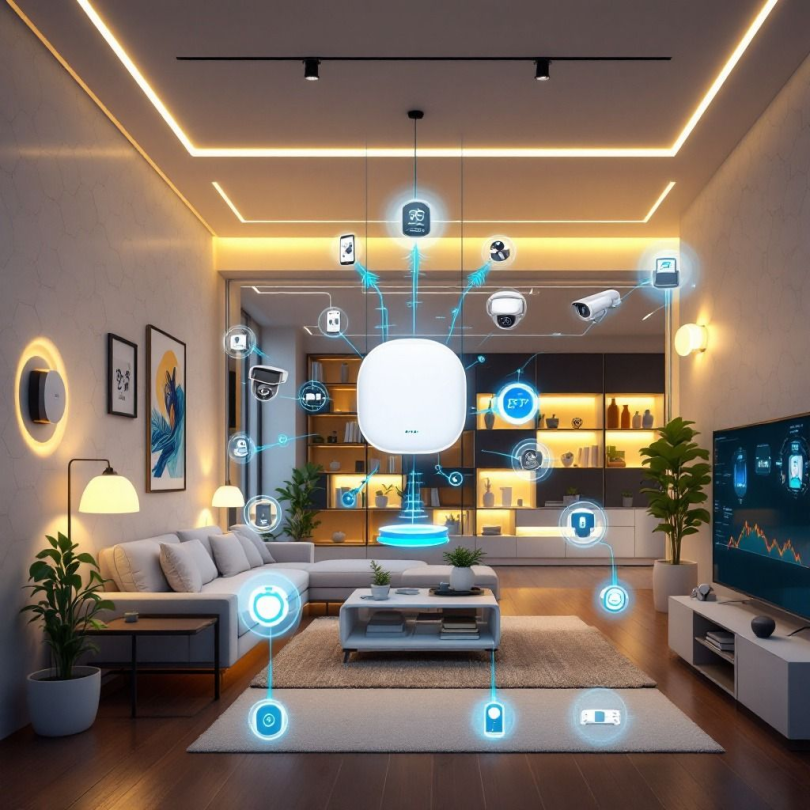
Smart home devices include products like smart bulbs, thermostats, security cameras, door locks, and voice assistants. Each of these devices connects to the internet and can be controlled remotely using a smartphone or voice commands. While this sounds simple, the buying process involves several factors such as ecosystem compatibility, installation requirements, and data privacy concerns.
By following smart home devices buying tips, users can avoid confusion and build a cohesive system. These tips also ensure that your devices work together smoothly, providing a better overall experience. Whether you are starting from scratch or upgrading your setup, understanding these guidelines is crucial for making the right investment.
Why is Smart Home Devices Buying Tips Important?
Smart home technology offers convenience, but without proper planning, it can quickly become complicated. This is why smart home devices buying tips are so important. They help you avoid costly mistakes and ensure that your devices function as expected.
One major reason these tips matter is compatibility. Not all devices work with every platform. For example, some products are designed for specific ecosystems, and choosing the wrong one can limit functionality. By following smart home devices buying tips, you can select devices that integrate seamlessly.
Another reason is budget management. Smart devices come in a wide range of prices, and it is easy to overspend. A clear buying strategy helps you prioritize essential devices and avoid unnecessary purchases. Additionally, these tips help you focus on quality and durability rather than just price.
Security is also a key concern. Since smart devices connect to the internet, they can be vulnerable to cyber threats. Proper research and careful selection reduce these risks. Overall, smart home devices buying tips ensure a safer, more efficient, and cost-effective smart home experience.
Detailed Step-by-Step Guide
Step 1: Identify Your Needs
Start by understanding what you want to achieve with your smart home. Do you need better security, energy savings, or convenience? For example, if security is your priority, focus on cameras and smart locks. This step ensures that you only buy devices that serve a clear purpose.
Step 2: Set a Realistic Budget
Before exploring products, decide how much you are willing to spend. Smart home devices can range from affordable to premium. Setting a budget helps you narrow down options and prevents overspending.
Step 3: Choose a Smart Home Ecosystem
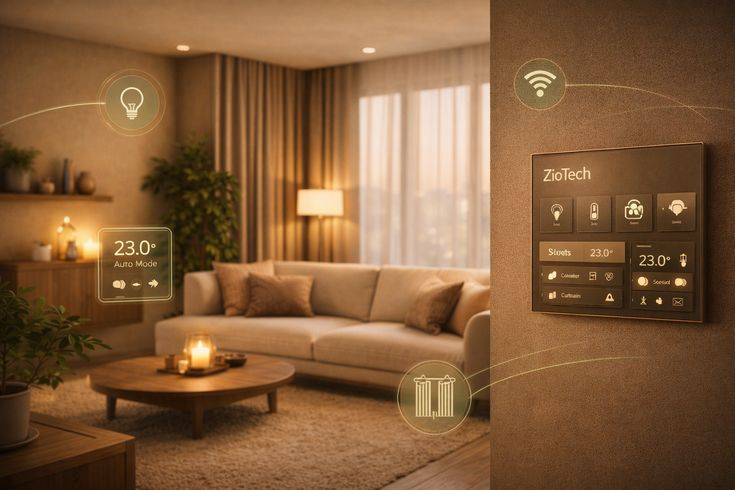
One of the most important smart home devices buying tips is selecting a compatible ecosystem. Popular ecosystems include voice assistants and mobile platforms. Choosing one system ensures that all your devices work together smoothly.
Step 4: Check Device Compatibility
Always verify that the devices you plan to buy are compatible with your chosen ecosystem. Incompatible devices can lead to frustration and limited functionality. Read product specifications carefully before purchasing.
Step 5: Evaluate Features and Functions
Not all smart devices offer the same features. Compare options and look for functions that match your needs. For example, a smart camera with motion detection and night vision provides better security than a basic model.
Step 6: Consider Installation Requirements
Some devices are easy to install, while others may require professional assistance. If you prefer a simple setup, choose devices designed for DIY installation. This saves time and additional costs.
Step 7: Focus on Security and Privacy
Security should never be ignored. Choose devices from reputable brands that offer regular updates and strong encryption. This reduces the risk of hacking and protects your personal data.
Step 8: Read Reviews and Ratings
Customer reviews provide valuable insights into real-world performance. Look for consistent feedback regarding reliability, ease of use, and durability. This step helps you avoid poor-quality products.
Step 9: Start Small and Expand Gradually
Instead of buying everything at once, begin with a few essential devices. Once you are comfortable, you can expand your setup. This approach allows you to learn and adjust as needed.
Step 10: Plan for Future Upgrades
Technology evolves quickly. Choose devices that support updates and can integrate with new products. This ensures that your smart home remains functional in the long term.
Benefits of Smart Home Devices Buying Tips
- Helps you choose compatible devices
- Saves money by avoiding unnecessary purchases
- Improves overall system performance
- Enhances home security and safety
- Reduces installation and maintenance issues
- Provides a better user experience
- Supports long-term scalability
- Minimizes technical confusion
Disadvantages / Risks
- Initial cost can be high
- Compatibility issues may still occur
- Requires stable internet connection
- Privacy concerns with connected devices
- Learning curve for beginners
- Dependence on technology
- Possible software glitches
Common Mistakes to Avoid
Many beginners make simple mistakes when buying smart home devices. One common error is ignoring compatibility. Buying devices from different ecosystems can create integration problems. Always ensure that your devices work together.
Another mistake is focusing only on price. Cheap devices may lack durability and essential features. It is better to invest in reliable products that offer long-term value. Similarly, skipping research can lead to poor choices.
Overloading your home with too many devices is also a problem. Start with essential items and expand gradually. Additionally, neglecting security settings can expose your system to risks. Always update your devices and use strong passwords.
Finally, many users ignore future needs. Choosing devices without upgrade options can limit your system. Avoid these mistakes by following smart home devices buying tips carefully.
FAQs
1. What are smart home devices?
Smart home devices are internet-connected gadgets that allow remote control and automation of household functions such as lighting, security, and temperature.
2. Are smart home devices expensive?
Prices vary widely. Some devices are affordable, while others are more expensive. Setting a budget helps you find suitable options.
3. Do all smart devices work together?
No, not all devices are compatible. It is important to choose products within the same ecosystem for smooth integration.
4. Is smart home technology safe?
Yes, but security depends on the device and how it is used. Choosing reputable brands and updating software improves safety.
5. Can I install smart devices myself?
Many devices are designed for easy installation. However, some complex systems may require professional help.
6. Do smart home devices save energy?
Yes, devices like smart thermostats and lighting systems help reduce energy consumption and lower utility bills.
Expert Tips & Bonus Points
To get the best results, always prioritize quality over quantity. Investing in a few reliable devices is better than buying many low-quality ones. Another useful tip is to keep your network secure. Use a strong Wi-Fi password and consider a separate network for smart devices.
Regular updates are also essential. Keeping your devices updated ensures better performance and security. Additionally, explore automation features. Setting schedules and routines can enhance convenience and efficiency.
Voice control can make your smart home experience more enjoyable. However, make sure your chosen devices support voice assistants. Lastly, always keep your future needs in mind. A flexible system allows easy expansion without replacing existing devices.
Conclusion
Smart home technology offers incredible benefits, but only when chosen wisely. Understanding smart home devices buying tips is the key to building a system that is efficient, secure, and easy to use. Without proper planning, you may face compatibility issues, unnecessary expenses, and technical challenges.
By following a structured approach, you can simplify the buying process and make confident decisions. Start by identifying your needs, setting a budget, and choosing a compatible ecosystem. Take time to research products, compare features, and read reviews. These steps ensure that your investment delivers real value.
It is also important to avoid common mistakes such as ignoring compatibility and overspending. Focus on quality, security, and scalability. Begin with essential devices and expand gradually as you gain experience. This method helps you build a smart home that adapts to your lifestyle.
In the end, smart home devices are meant to make life easier. With the right strategy and careful planning, you can enjoy convenience, safety, and energy efficiency without complications. Following these smart home devices buying tips will help you create a modern, connected home that meets your needs today and in the future.