

Introduction
Choosing the right laptop as a student can feel overwhelming, especially with so many options available in the market. From different brands and specifications to varying price ranges, it’s easy to get confused about what actually matters. A laptop is not just a device for students; it becomes a daily companion for studying, assignments, online classes, entertainment, and even creative work.
This Laptop Buying Guide for Students is designed to simplify your decision-making process. Whether you are a school student, college learner, or pursuing advanced studies, selecting the right laptop can directly impact your productivity and performance. Many students make the mistake of focusing only on price or brand, ignoring essential features that determine long-term usability.
In this guide, you will learn everything from understanding what a student laptop should offer to step-by-step tips for choosing the best one. We will also cover benefits, risks, common mistakes, and expert advice so you can make a confident and smart purchase. By the end, you will clearly know what to look for and what to avoid when buying a laptop for your academic needs.
What is Laptop Buying Guide for Students?
A Laptop Buying Guide for Students is a structured approach that helps students choose the most suitable laptop based on their academic requirements, budget, and usage patterns. It focuses on key features such as performance, battery life, storage, portability, and durability.
Unlike general buying advice, this guide is tailored specifically for students who need a balance between affordability and performance. For example, a student studying graphic design will need a more powerful laptop compared to someone using it mainly for note-taking and browsing.
This guide also highlights the importance of understanding technical specifications in simple terms. Instead of getting confused by terms like RAM, processor, or SSD, students can learn how these features affect everyday usage.
Ultimately, the goal of this Laptop Buying Guide for Students is to ensure that you invest in a device that meets your current needs while also staying useful for several years.
Why is Laptop Buying Guide for Students Important?
Having a proper Laptop Buying Guide for Students is important because it helps avoid costly mistakes. Many students either overspend on unnecessary features or buy underpowered devices that struggle with daily tasks.
A good guide ensures that you choose a laptop that supports your academic journey efficiently. For instance, students attending online classes need reliable performance and good battery life, while those in technical fields may require higher processing power.
Another reason this guide is essential is long-term value. A laptop is not a short-term purchase, so making the right decision saves money and prevents frequent upgrades.
Moreover, it helps students prioritize features based on their needs rather than being influenced by marketing or brand hype. This results in a more practical and informed decision.
Detailed Step-by-Step Guide
Step 1: Understand Your Needs
Before buying a laptop, identify how you plan to use it. Different students have different requirements.
- Basic use: browsing, assignments, online classes
- Medium use: presentations, multitasking, light editing
- Heavy use: programming, video editing, gaming
Knowing your usage helps narrow down the right specifications.
Step 2: Set a Budget
Budget plays a major role in your decision. Define a price range before exploring options.
- Low budget: basic performance laptops
- Mid-range: balanced performance and features
- High-end: powerful machines for advanced tasks
Always aim for the best value within your budget.
Step 3: Choose the Right Processor
The processor is the brain of your laptop. It determines how fast your system runs.
- Entry-level processors are suitable for basic tasks
- Mid-range processors handle multitasking smoothly
- High-end processors are ideal for demanding applications
Students should avoid very outdated processors to ensure smooth performance.
Step 4: Select the Right RAM
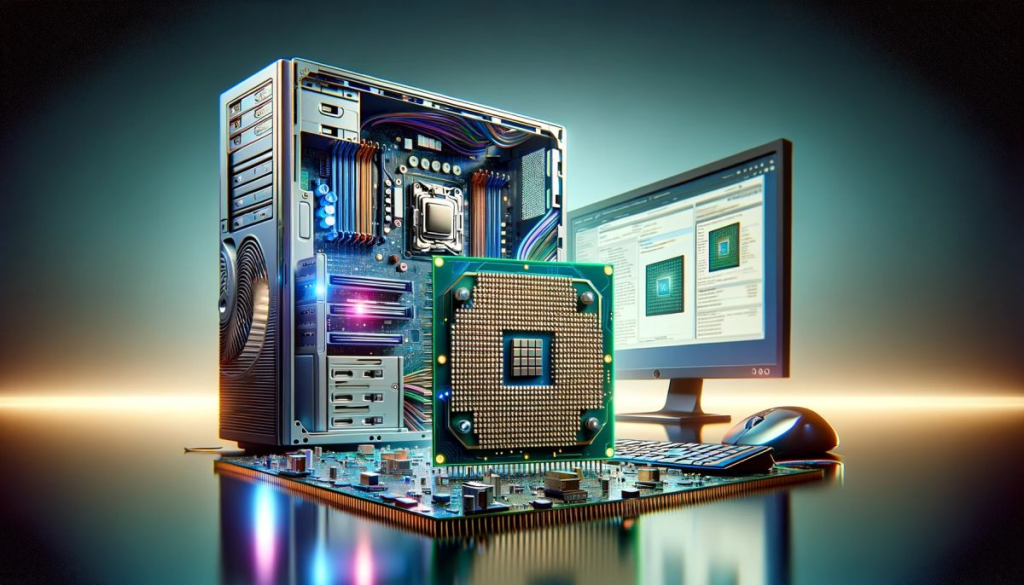
RAM affects multitasking capability. More RAM means better performance.
- 4GB RAM: basic tasks only
- 8GB RAM: ideal for most students
- 16GB RAM or more: for heavy tasks
For long-term use, at least 8GB is recommended.
Step 5: Storage Type and Capacity
Storage determines how much data your laptop can hold.
- HDD: slower but cheaper
- SSD: faster and more reliable
An SSD is highly recommended for students because it improves speed significantly. A minimum of 256GB SSD is a good starting point.
Step 6: Display and Screen Size
Screen size and quality affect comfort during long study sessions.
- 13–14 inches: portable and lightweight
- 15–16 inches: better for multitasking
Full HD resolution is ideal for clear visuals and reduced eye strain.
Step 7: Battery Life
Students often need to use laptops without constant charging.
- Look for at least 6–8 hours of battery life
- More is better for travel and campus use
Battery performance can greatly impact convenience.
Step 8: Portability and Build Quality
A student laptop should be easy to carry.
- Lightweight design is important
- Durable build ensures long-term use
Frequent travel between classes makes portability essential.
Step 9: Operating System
Choose an operating system based on your comfort and requirements.
- Some students prefer simplicity and ease of use
- Others may need compatibility with specific software
Ensure your chosen system supports your academic tools.
Step 10: Check Connectivity Options
Modern laptops should have essential ports and connectivity features.
- USB ports
- Headphone jack
- Wi-Fi and Bluetooth
Good connectivity ensures flexibility in usage.
Benefits of Laptop Buying Guide for Students
- Helps make informed decisions
- Saves money by avoiding unnecessary features
- Ensures better performance for academic tasks
- Improves productivity and efficiency
- Reduces chances of buying outdated devices
- Provides long-term value
- Enhances overall learning experience
Disadvantages / Risks
- Over-researching can cause confusion
- Budget limitations may restrict options
- Technical terms can be difficult to understand
- Market changes may affect availability
- Students may still get influenced by brand marketing
Common Mistakes to Avoid
Many students make simple mistakes that lead to poor buying decisions. Avoiding these can save both money and frustration.
One common mistake is ignoring actual needs. Buying a high-end laptop for basic tasks is unnecessary and costly.
Another mistake is choosing low RAM or outdated processors just to save money. This often results in slow performance after a short period.
Students also overlook battery life, which can be inconvenient during classes or travel.
Focusing only on brand reputation instead of specifications is another major error. A well-known brand does not always guarantee the best value.
Lastly, ignoring warranty and after-sales support can create problems later if issues arise.
FAQs
1. What is the ideal laptop for students?
The ideal laptop depends on your needs. For most students, a device with 8GB RAM, SSD storage, and a mid-range processor works well.
2. How much RAM is enough for students?
8GB RAM is sufficient for everyday academic tasks, multitasking, and smooth performance.
3. Should students choose SSD or HDD?
SSD is better because it offers faster performance, quicker boot times, and improved reliability.
4. Is battery life important for students?
Yes, strong battery life is essential for attending classes, studying, and working without frequent charging.
5. Are expensive laptops always better?
Not necessarily. A well-balanced laptop within your budget can perform just as well for student needs.
6. How long should a student laptop last?
A good laptop should last at least 3 to 5 years if chosen wisely and maintained properly.
Expert Tips & Bonus Points
Always prioritize performance over looks. A stylish laptop is useless if it cannot handle your tasks efficiently.
Consider future needs when buying a laptop. It’s better to invest slightly more now than upgrade too soon.
Look for student discounts or deals to save money without compromising on quality.
Test the keyboard and touchpad if possible. Comfort matters for long study hours.
Avoid unnecessary features that increase cost but offer little value.
Read user reviews to understand real-world performance instead of relying only on specifications.
Keep your laptop updated and maintain it properly to extend its lifespan.
Conclusion
Choosing the right device is not just about picking a popular brand or the cheapest option. This Laptop Buying Guide for Students helps you understand what truly matters when selecting a laptop for academic use. By focusing on essential features like processor, RAM, storage, battery life, and portability, students can make smarter and more practical decisions.
A well-chosen laptop can significantly improve your learning experience, making tasks easier and more efficient. On the other hand, a poor choice can lead to frustration, slow performance, and additional expenses.
This guide emphasizes the importance of balancing budget with performance. Instead of rushing into a purchase, taking the time to evaluate your needs and compare options can lead to a much better outcome.
In the end, the best laptop is the one that fits your requirements, supports your studies, and remains reliable over time. By following the tips and strategies outlined in this Laptop Buying Guide for Students, you can confidently invest in a device that will serve you well throughout your academic journey.