
Introduction
In today’s fast-paced digital world, staying productive is more challenging than ever. Whether you are a student managing assignments, a professional handling deadlines, or someone trying to organize daily life, productivity apps have become essential tools. The year 2025 brings even more advanced, smart, and AI-powered solutions designed to simplify tasks and improve efficiency.
The rise of digital transformation has changed how we work and study. Instead of relying on traditional notebooks or scattered reminders, people now use productivity apps to centralize everything in one place. These tools help manage time, organize tasks, track progress, and even reduce stress by keeping everything structured and accessible.
The best productivity apps 2025 for work, study & life are not just about reminders anymore. They offer automation, collaboration features, smart scheduling, and integration with other tools. This makes them powerful assistants for anyone who wants to achieve more in less time.
In this article, you will explore what productivity apps are, why they matter, how to use them effectively, and which features make them truly useful. You will also learn about benefits, disadvantages, common mistakes, expert tips, and frequently asked questions to help you get the most out of these tools.
What is Best Productivity Apps 2025 for Work, Study & Life?
Best productivity apps 2025 for work, study & life refer to digital tools designed to help individuals and teams manage time, tasks, and goals more efficiently. These applications combine features like task management, note-taking, scheduling, reminders, and collaboration into one platform.
Modern productivity apps go beyond simple to-do lists. They include artificial intelligence, automation, and cloud synchronization to ensure users can access their work from anywhere. Whether on mobile, tablet, or desktop, these apps keep everything connected.
Some apps focus on students who need better study planning, while others target professionals who manage complex workflows. There are also all-in-one solutions that cover both personal and professional needs.
In simple terms, productivity apps act as digital assistants that help you stay organized, focused, and consistent in your daily tasks. They reduce mental load by keeping everything structured and easy to access.
Why is Best Productivity Apps 2025 Important?
Productivity apps have become important because modern life is full of distractions and responsibilities. People often struggle to manage time effectively, leading to missed deadlines and increased stress.
One major reason these apps are important is time management. They help users plan their day efficiently and prioritize tasks based on importance. This ensures that critical work is completed first.
Another reason is organization. Instead of remembering everything mentally, users can store tasks, notes, and schedules in one place. This reduces confusion and improves clarity.
Collaboration is also a key factor. Many productivity apps allow teams to work together in real time, making communication smoother and faster.
Finally, these apps improve focus. By breaking large tasks into smaller steps, they make work more manageable and less overwhelming. This leads to better results and improved performance in both study and work environments.
Detailed Step-by-Step Guide
Step 1: Identify Your Needs
Before choosing any app, understand your requirements. Students may need note-taking and scheduling features, while professionals may require project management tools.
Step 2: Choose the Right App
Select an app that matches your goals. Look for features like task tracking, reminders, cloud sync, and user-friendly design.
Step 3: Set Up Your Workspace
After installing the app, customize your dashboard. Add categories like work, study, and personal tasks for better organization.
Step 4: Add Tasks and Goals

Start by entering your daily tasks and long-term goals. Break big tasks into smaller steps for better clarity.
Step 5: Use Scheduling Features
Plan your tasks using calendars and reminders. Assign deadlines to stay on track.
Step 6: Track Progress Regularly
Monitor your progress daily or weekly. This helps identify completed tasks and pending work.
Step 7: Adjust and Improve
Based on your experience, adjust your workflow. Remove unnecessary tasks and focus on high-priority work.
Benefits of Best Productivity Apps 2025
- Improves time management and task organization
- Reduces stress by structuring daily activities
- Enhances focus and reduces distractions
- Supports collaboration in team projects
- Increases efficiency in work and study routines
- Provides access across multiple devices
- Helps track progress and achievements easily
- Encourages discipline and consistency
Disadvantages / Risks
- Overdependence on apps for simple tasks
- Learning curve for advanced features
- Possible distractions from app notifications
- Subscription costs for premium features
- Data privacy concerns in cloud-based apps
- Risk of over-planning without execution
Common Mistakes to Avoid
Many users fail to get full benefits because of poor usage habits. One common mistake is overloading the app with too many tasks, which creates confusion instead of clarity.
Another mistake is ignoring reminders and notifications. These features are designed to keep you on track, but they are often neglected.
Some users also switch between multiple apps, which reduces consistency and creates fragmentation in workflow.
Not updating tasks regularly is another issue. Productivity apps only work effectively when they are actively maintained and reviewed.
Lastly, relying only on apps without real action leads to poor results. These tools should support productivity, not replace effort.
FAQs
1. What are productivity apps used for?
Productivity apps are used to manage tasks, schedule activities, take notes, and improve time management for better efficiency in work and study.
2. Are productivity apps useful for students?
Yes, students can use them to organize study schedules, track assignments, and improve learning consistency.
3. Do productivity apps increase efficiency?
Yes, they help prioritize tasks, reduce distractions, and improve focus, leading to higher efficiency.
4. Are free productivity apps enough?
Free versions are useful, but premium features often provide advanced tools like automation and collaboration.
5. Can productivity apps work offline?
Some apps offer offline access, but full functionality usually requires internet connectivity.
6. Which is the best productivity app in 2025?
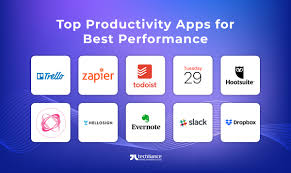
The best app depends on your needs, but popular options include task managers, note-taking apps, and all-in-one platforms.
Expert Tips & Bonus Points
Experts suggest starting small instead of using all features at once. Focus on basic task management first, then gradually explore advanced tools.
Another tip is to set realistic goals. Overloading your schedule can reduce productivity instead of improving it.
Use color coding and categories to organize tasks better. This makes it easier to identify priorities quickly.
It is also recommended to review your productivity system weekly. This helps you stay aligned with your goals and make necessary adjustments.
Finally, avoid constant app switching. Stick to one or two tools for better consistency and long-term results.
Conclusion
Productivity apps have become an essential part of modern life, helping individuals manage time, tasks, and responsibilities more effectively. In 2025, these tools are smarter, faster, and more integrated than ever before, making them valuable for students, professionals, and everyday users.
By using the best productivity apps 2025 for work, study & life, you can significantly improve your organization, focus, and efficiency. These apps are not just digital tools but personal assistants that help you stay on track and achieve your goals.
However, success depends on how you use them. Simply installing an app is not enough; consistent usage, proper planning, and regular updates are key to getting real benefits. Avoid common mistakes like overloading tasks or switching between multiple apps unnecessarily.
When used correctly, productivity apps can transform the way you work and study. They help reduce stress, improve discipline, and create a structured approach to daily life. In the end, productivity is not about doing more, but about doing things in a smarter and more organized way, and these apps are designed exactly for that purpose.