
Introduction
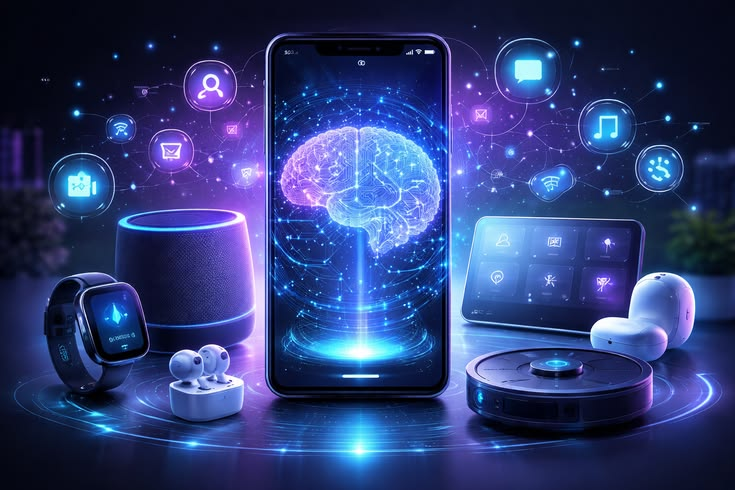
AI-powered mobile apps are changing the way people interact with smartphones in daily life. From smart assistants to advanced photo editing tools, these applications are making tasks faster, easier, and more personalized. In simple terms, AI-powered mobile apps use artificial intelligence to learn user behavior, predict needs, and deliver better experiences over time. This is why they are becoming a core part of modern digital life for both beginners and advanced users.
Today, millions of people rely on these smart apps for communication, entertainment, productivity, health tracking, and even financial management. The real strength of AI-powered mobile apps lies in their ability to adapt and improve continuously without manual updates from users. For example, a music app can suggest songs based on your mood, while a navigation app can predict traffic and suggest the fastest route.
As technology grows, these apps are no longer limited to big tech companies. Even small developers are creating intelligent mobile solutions that are accessible to everyone. This guide will help you understand what these apps are, why they matter, how to use them effectively, their benefits, risks, and expert tips to get the best results.
What is AI-Powered Mobile Apps?
AI-powered mobile apps are applications that use artificial intelligence technologies such as machine learning, natural language processing, and data analytics to improve user experience. Unlike traditional apps that follow fixed instructions, these smart apps learn from user interactions and adapt accordingly.
For example, a regular calculator app only performs calculations, but an AI-powered mobile app can suggest financial insights based on your spending habits. Similarly, virtual assistants like Siri or Google Assistant understand voice commands and respond intelligently.
These apps work by collecting data, analyzing patterns, and making predictions. The more you use them, the smarter they become. This continuous learning process is what makes AI-powered mobile apps different from conventional applications.
They are widely used in areas such as:
- Social media platforms for content recommendations
- Healthcare apps for monitoring fitness and health
- E-commerce apps for personalized shopping suggestions
- Education apps for adaptive learning experiences
In short, AI-powered mobile apps are designed to make smartphones more intelligent, responsive, and user-friendly.
Why is AI-Powered Mobile Apps Important?
The importance of AI-powered mobile apps lies in their ability to simplify complex tasks and improve productivity. In today’s fast-moving world, users want quick solutions, and these apps deliver exactly that.
One major reason they are important is personalization. Instead of offering the same experience to every user, these apps tailor content and features based on individual preferences. This makes the experience more engaging and useful.
Another key factor is efficiency. AI-powered mobile apps reduce manual effort by automating repetitive tasks. For instance, email apps can automatically filter spam, while photo apps can enhance images instantly.
They are also important for decision-making. Many apps analyze data and provide recommendations that help users make better choices, whether it is shopping, investing, or health tracking.
Businesses also benefit greatly because these apps improve customer engagement and increase satisfaction. Overall, AI-powered mobile apps are important because they bridge the gap between human needs and digital solutions in a smart and efficient way.
Detailed Step-by-Step Guide
Step 1: Understand Your Purpose
Before using any AI-powered mobile apps, identify your goal. Whether you need productivity tools, entertainment, or learning apps, knowing your purpose helps you choose the right app.
Step 2: Choose the Right App
Search for reliable AI-powered mobile apps on official stores. Check reviews, ratings, and features before installing. Make sure the app matches your requirements.
Step 3: Install and Set Permissions
After downloading, install the app and allow necessary permissions. These permissions help the app function properly and personalize your experience.
Step 4: Create and Customize Profile
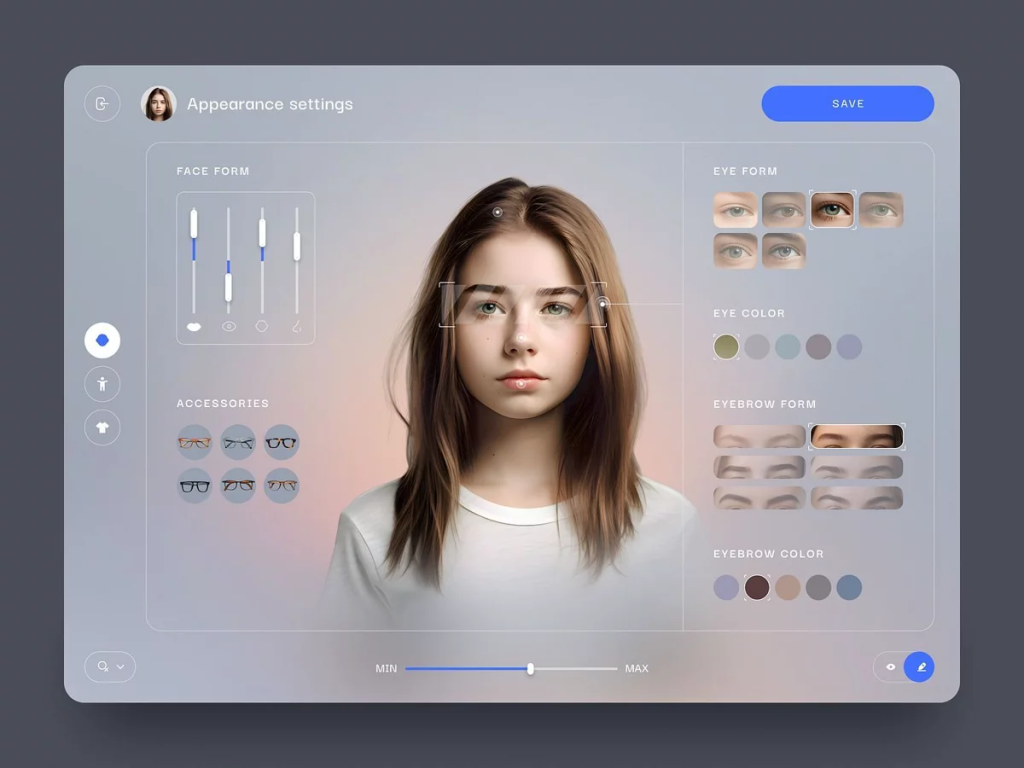
Most AI-powered mobile apps ask you to create a profile. Fill in accurate details so the AI can learn your preferences and behavior patterns.
Step 5: Start Using Core Features
Explore the main features of the app. For example, if it is a fitness app, start tracking your activity. If it is a learning app, begin with lessons or quizzes.
Step 6: Allow AI Learning
The more you use AI-powered mobile apps, the better they perform. Allow them time to analyze your behavior and improve recommendations.
Step 7: Adjust Settings Regularly
Customize settings based on your needs. Many apps allow you to control notifications, privacy, and personalization levels.
Benefits of AI-Powered Mobile Apps
- Improved productivity through automation of tasks
- Personalized user experience based on behavior
- Time-saving features like smart suggestions
- Better decision-making through data analysis
- Enhanced user engagement and interaction
- Continuous learning and improvement over time
- Easy access to advanced technologies for everyday users
Disadvantages / Risks
- Privacy concerns due to data collection
- Dependence on internet connectivity
- Possible misuse of personal data
- Battery consumption in some apps
- Over-reliance on automation
- Limited accuracy in early learning stages
Common Mistakes to Avoid
Many users do not get full benefit from AI-powered mobile apps due to simple mistakes. One common mistake is ignoring app permissions, which limits functionality. Another mistake is not updating the app regularly, which affects performance.
Some users also overload their devices with too many apps, causing slow performance. It is also important not to rely completely on AI suggestions without personal judgment. Finally, ignoring privacy settings can expose sensitive data.
Avoiding these mistakes ensures a smoother and safer experience with AI-powered mobile apps.
FAQs
1. What are AI-powered mobile apps used for?
AI-powered mobile apps are used for tasks like communication, productivity, entertainment, health tracking, and personalized recommendations.
2. Are AI-powered mobile apps safe?
Yes, most are safe if downloaded from trusted sources, but users should always check permissions and privacy settings.
3. Do AI-powered mobile apps need internet?
Many features require internet access, but some functions may work offline depending on the app.
4. Can AI-powered mobile apps replace humans?
No, they are designed to assist humans, not replace them. They improve efficiency but still require human control.
5. Do these apps work on all smartphones?
Most modern AI-powered mobile apps are compatible with Android and iOS devices, but older phones may have limitations.
6. How do AI-powered mobile apps learn?
They learn by analyzing user behavior, preferences, and interactions over time using machine learning algorithms.
Expert Tips & Bonus Points
Experts suggest starting with one or two reliable AI-powered mobile apps instead of installing many at once. This helps you understand their features better.
Always keep your apps updated to access the latest AI improvements. Regular updates also fix bugs and enhance security.
Another tip is to explore hidden features, as many AI-powered mobile apps offer advanced tools that are not visible at first use.
Use privacy settings wisely and limit unnecessary data sharing. This ensures better control over your personal information.
Finally, combine multiple apps for better results. For example, using a fitness app with a nutrition tracker can give more complete health insights.
Conclusion
AI-powered mobile apps have become an essential part of modern digital life. They are transforming how people use smartphones by making them smarter, faster, and more personalized. From simple daily tasks to complex decision-making, these apps offer powerful support that improves efficiency and convenience.
As technology continues to evolve, AI-powered mobile apps will become even more advanced, offering deeper personalization and smarter automation. However, users must also be careful about privacy and avoid over-dependence on automation.
For beginners, starting with basic apps is the best approach, while intermediate users can explore advanced features for maximum benefit. With proper use, these apps can significantly enhance productivity, entertainment, and learning experiences.
In the end, AI-powered mobile apps are not just tools; they are intelligent assistants designed to make digital life easier and more effective.