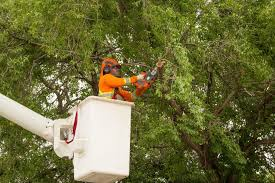

Large branch spreads often change the usable space around residential properties, with darker ground sections reducing daily movement. A healthy tree requires planned shaping methods, helping natural growth remain organized across active household surroundings.
Open residential areas also create better visibility near family gathering corners or narrow pathways needing regular attention. Many homeowners choose Portland tree trimming services for reliable property maintenance, supporting cleaner residential arrangements.
Balanced Yard Planning
Some residential layouts contain limited open spacing, causing branch spread to affect nearby seating sections or shared activity corners. Narrow movement areas may also create difficulty around frequently used household pathways, requiring better structural balance. Planned shaping methods create improved spacing, allowing natural brightness to reach lower ground sections more evenly.
Safer Structure Clearance
Walls, windows, or roof sections sometimes face repeated contact from expanding limbs surrounding residential properties throughout changing weather periods. Skilled cutting methods help maintain safer spacing, reducing unwanted surface pressure near active household sections regularly.
• Proper branch care protects nearby residential surfaces from repeated contact
• Open spacing improves movement through active family property gathering sections
• Planned trimming reduces blocked visibility around narrow household walking spaces
• Careful shaping lowers falling debris concerns surrounding residential activity corners
• Balanced cutting creates a cleaner property arrangement across shared household sections
Controlled Canopy Shaping
Heavy upper coverage occasionally limits brightness reaching lower residential sections, needing healthier growing conditions regularly. Thoughtful shaping allows cleaner airflow movement through crowded upper patterns, affecting nearby property arrangements seasonally. Some homeowners request Portland tree trimming services after noticing excessive shade surrounding gathering spaces or resting corners.
Seasonal Growth Adjustment
Changing seasonal conditions may increase branch expansion across active household sections requiring steady maintenance throughout yearly growth cycles. Timely reduction methods create improved spacing, helping residential properties maintain an organized visual arrangement naturally. Experienced workers examine growth direction carefully before selecting suitable cutting approaches that match the available property size.
Cleaner Movement Areas
Shared residential surroundings become easier to manage when crowded upper growth receives careful structural attention regularly. Darkened ground sections sometimes reduce visibility near seating arrangements or frequently used property pathways, requiring better spacing.
• Wider openings improve movement around busy residential household activity sections
• Planned shaping increases sunlight reaching the lower grassy property surface sections
• Clear pathways reduce uneven walking conditions throughout crowded household surroundings
• Gentle branch control improves visibility near shared residential gathering corners greatly
• Reduced upper coverage creates brighter movement sections across residential properties
Reduced Seasonal Pressure
Dense upper growth occasionally places additional strain on weaker limbs throughout difficult seasonal weather conditions annually. Controlled reduction methods lower structural pressure, helping branches remain steady across residential surroundings more effectively. Proper tree care also reduces scattered debris accumulation, affecting active household sections following strong weather movement.
Healthier Natural Development
Natural coverage remains stronger when crowded growth receives organized shaping, matching residential property requirements carefully. Removing excess sections allows improved airflow reaching shaded household areas needing healthier environmental conditions consistently.
• Balanced spacing encourages stronger upper growth across active residential surroundings
• Open airflow lowers moisture buildup around crowded shaded household property sections
• Proper shaping encourages healthier development through changing yearly weather conditions
• Reduced branch pressure protects weaker growth near residential boundary sections safely
• Steady maintenance improves visual balance throughout the organized household property surroundings
Skilled Branch Reduction
Experienced workers study property layouts carefully before selecting shaping methods that match available residential spacing requirements properly. Thoughtful planning prevents unnecessary cutting while maintaining a balanced upper structure surrounding active household activity sections naturally.
Proper branch management creates cleaner residential surroundings with safer movement throughout changing seasonal conditions naturally. Organized shaping methods also protect nearby structures while improving airflow through crowded property sections consistently. Steady maintenance encourages stronger natural coverage, helping households maintain brighter walking areas with improved visual arrangement every season.
FAQs
How often should branch reduction happen across active residential household properties?
Regular seasonal maintenance improves safer movement throughout frequently used residential surroundings.
Why does upper growth require careful shaping near smaller residential properties?
Controlled trimming protects nearby structures while increasing brightness reaching lower sections.
Can crowded limbs reduce safe movement across active household residential spaces?
Heavy coverage limits visibility while creating difficult movement around property pathways.